


The girl who loved numbers: Who was Ada Lovelace?

The story of a girl who loved numbers and imagined what computers could do before they existed.
Imagine writing instructions for a machine that does not exist yet. More than 180 years ago, Ada Lovelace did exactly that.
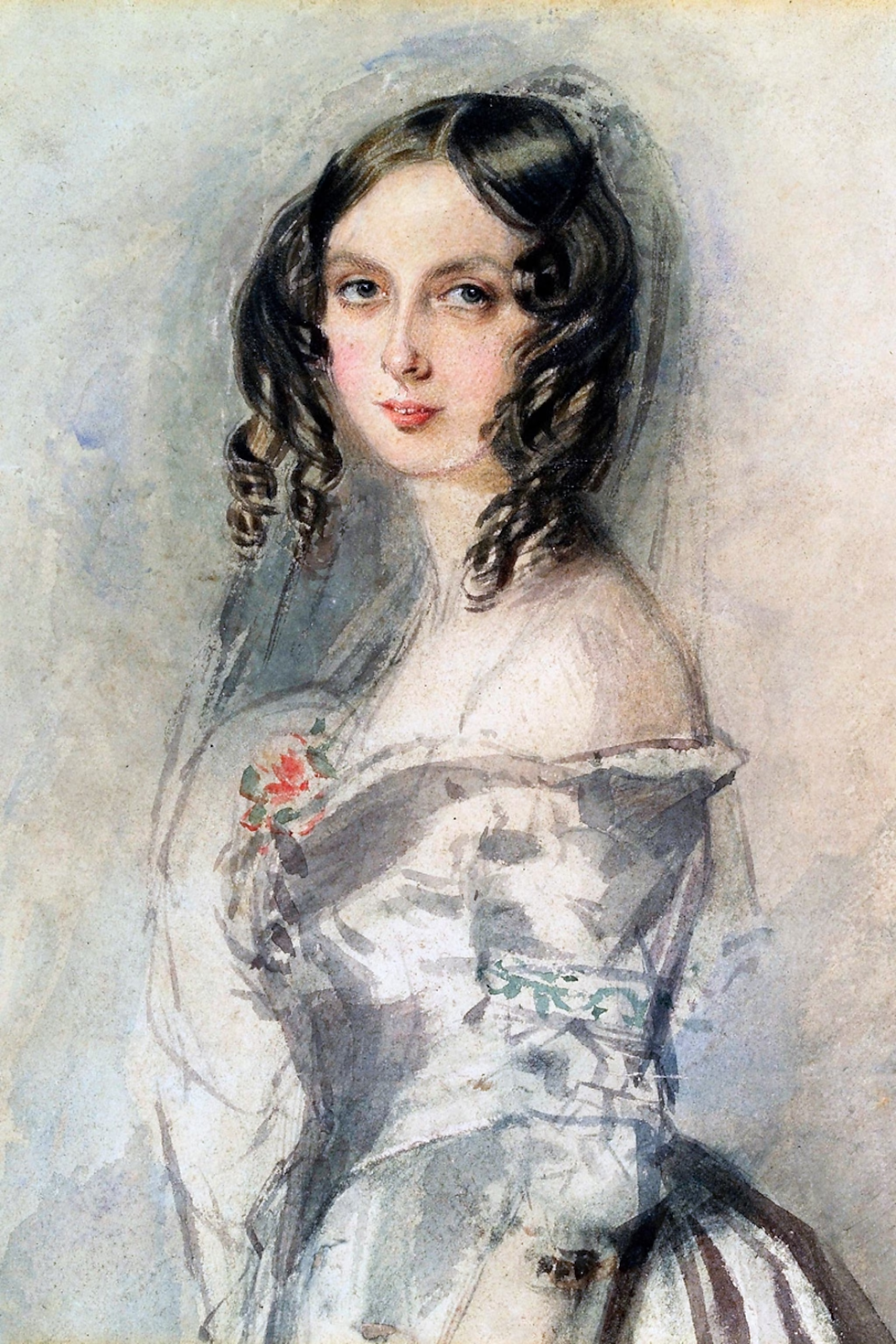
A girl who loved numbers
Ada was born in London on December 10, 1815. Her father was the famous poet Lord Byron, but she never met him. She was taught by private tutors, and she loved mathematics. A mathematician named Augustus De Morgan helped her with her advanced studies.
A machine that was never finished
In 1833, when Ada was still a teenager, she met an inventor named Charles Babbage. He had designed a calculating machine called the Difference Engine, and he was dreaming up a much bigger one: the Analytical Engine. It was meant to follow instructions fed to it on punched cards. Only a small piece of it was ever built.

Ada's big idea
In 1843, Ada translated a paper about the Analytical Engine from French into English. Then she added thousands of words of her own notes. In them she explained, step by step, how the machine could work out a long list of numbers called Bernoulli numbers. Many historians consider it the first computer program ever published.
She also had an idea far ahead of her time. She wondered whether the machine could work with more than numbers, such as musical notes. And she compared the engine to a loom that weaves flowers and leaves into cloth, except her machine would weave patterns of numbers.
Was she the first programmer?
People often call Ada the first computer programmer. Some historians point out that Babbage wrote programs in his own notes a few years earlier, but hers was the first one published. Either way, Ada saw something big: a machine like this could do much more than math.
Ada today
Ada died on November 27, 1852, at just 36 years old. More than a century later, in 1953, her notes were republished and people took a fresh look at her work. Today a computer programming language is named Ada, and every year on the second Tuesday in October the world celebrates Ada Lovelace Day to honor women in science, technology, engineering, and math.

Try it at home: write an algorithm
An algorithm is a set of step by step instructions. You can write one with just paper and a pencil.
Pick a simple drawing, like a house or a star. Do not show anyone.
Write instructions a friend could follow without seeing your picture, like "Draw a square. Draw a triangle on top."
Ask your friend to follow only your words.
Compare their drawing to yours.
Where it went differently, fix your instructions.
Fixing instructions is called debugging, and programmers do it all the time. Grown ups, try asking: what did you assume your friend would know?
Where we learned this


Comments